Charting Release Timelines and Recommendation Algorithms in Cost-Free Digital Movie Hubs
Hugo Schröder · Jun 1, 2026
Charting Release Timelines and Recommendation Algorithms in Cost-Free Digital Movie Hubs
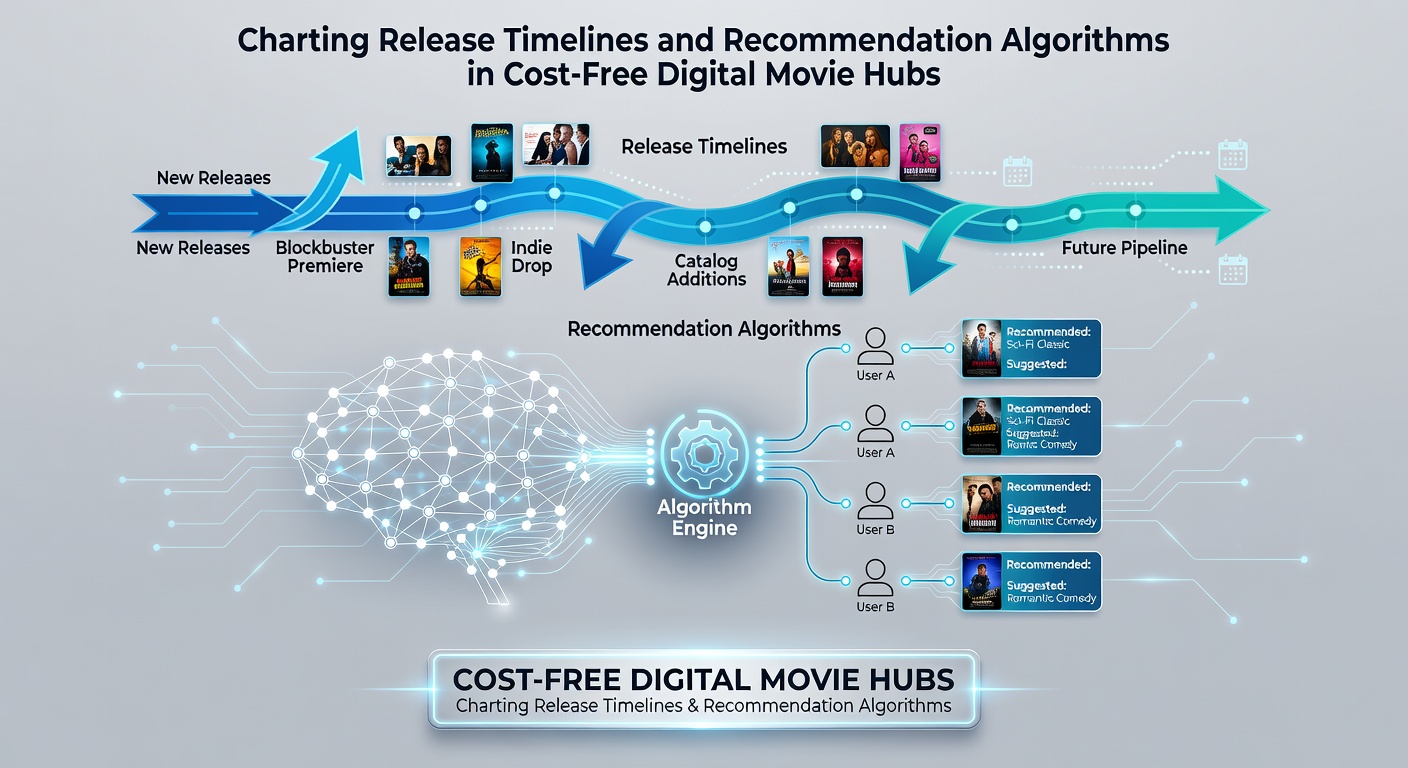
Release timelines in cost-free digital movie hubs follow structured windows that begin after initial theatrical runs and paid streaming deals conclude, with many titles appearing on ad-supported platforms within 12 to 24 months of their debut. Observers note that these schedules vary by region and rights holder, yet patterns emerge when data from services such as Tubi and Pluto TV gets tracked across multiple years. Researchers at the European Audiovisual Observatory have documented how licensing agreements create predictable gaps, allowing free hubs to acquire content once exclusivity periods lapse.
Understanding Release Windows in Free Platforms
Studios negotiate staggered availability so that premium revenue streams remain protected before content reaches no-cost services, and this process creates measurable timelines that analysts chart through public announcements and platform updates. Data from mid-2025 shows average delays of 18 months for major studio films to reach ad-supported libraries, whereas independent productions often arrive sooner because their rights holders prioritize broader exposure over extended pay windows. Those who monitor these shifts find that June 2026 brought several catalog additions tied to expired contracts from 2024 releases, illustrating how the cycle repeats with new batches of titles entering rotation.
Platforms publish partial calendars that list upcoming titles weeks or months ahead, yet full timelines depend on backend negotiations that remain opaque to users. Industry reports indicate that free hubs adjust these schedules dynamically when competing services secure temporary extensions, forcing algorithm teams to recalibrate suggestions around available inventory rather than fixed dates.
How Recommendation Algorithms Process Availability Data
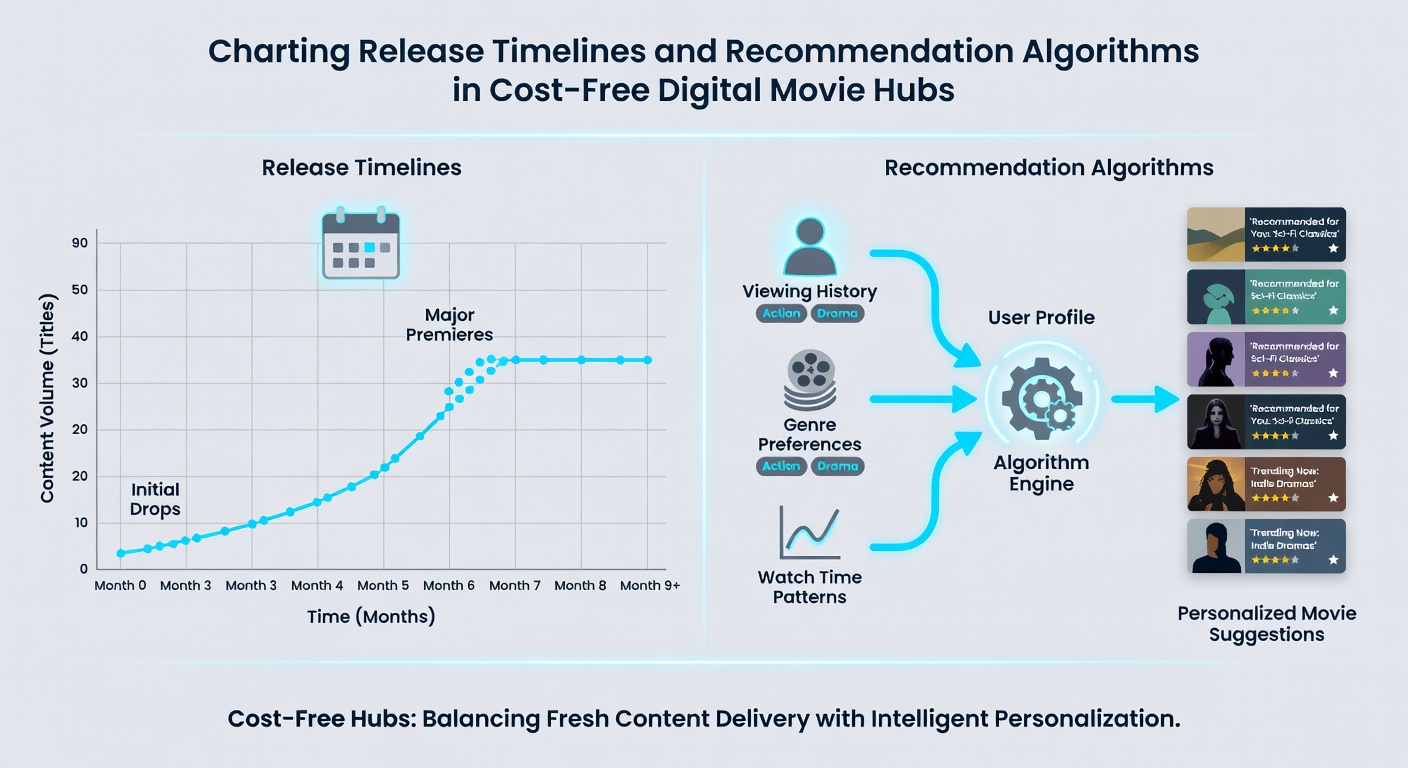
Algorithms in these hubs combine release timeline information with user behavior signals to surface titles at optimal moments, drawing from watch history, search queries, and session duration metrics collected across millions of accounts. When a film enters the library on a specific date, the system assigns an initial boost that decays over subsequent weeks unless engagement metrics sustain its visibility. Studies from the University of Southern California's Annenberg Innovation Lab reveal that recommendation engines prioritize freshness within the first 30 days of availability, after which genre affinity and completion rates take precedence.
Engineers integrate metadata tags for release year, original distributor, and regional rights status into scoring models, allowing the system to avoid suggesting content still locked behind paywalls elsewhere. Observers tracking these systems note that collaborative filtering techniques cluster users who watch similar newly added films, then propagate suggestions across those groups to accelerate discovery during peak addition periods.
Integration of Timelines with Personalization Layers
Personalization engines layer timeline data onto demographic and behavioral profiles so that recommendations reflect both what users typically enjoy and what has recently become free. For instance, a viewer who favors 2010s action films receives prioritized alerts when those exact titles clear their paid windows and appear on the platform. According to figures released by the Australian Communications and Media Authority, platforms that synchronize release calendars with algorithmic promotion see higher average watch times per session compared to those that treat new additions uniformly.
Seasonal events and catalog refreshes further influence how timelines feed into suggestions, with algorithms ramping up older catalog items during slower addition months to maintain engagement. Data indicates that cross-referencing release dates with trending search terms allows hubs to surface relevant older films alongside fresh arrivals, creating seamless discovery paths without manual curation.
Regional Variations and Data Sources
Release timelines differ across borders because licensing deals often split by territory, prompting algorithms to incorporate geo-specific availability flags that restrict or highlight content accordingly. Canadian regulatory filings show that certain Hollywood titles reach free services in North America before European markets due to staggered contract structures. Those analyzing global patterns find that recommendation models must account for these discrepancies to prevent suggesting unavailable titles to users in restricted regions.
Academic papers from research institutions in multiple countries emphasize the role of anonymized viewing logs in refining these models, with emphasis on how timeline accuracy improves prediction rates for user retention. Platforms refine their approaches continuously as new data arrives, adjusting weights assigned to release recency versus long-term popularity signals.
Conclusion
Charting release timelines alongside recommendation algorithms reveals an interconnected system where availability dates directly shape suggestion logic in cost-free digital movie hubs. Research indicates that platforms achieving tighter integration between these elements deliver more consistent user experiences across varying library sizes and content types. As licensing landscapes evolve, observers expect continued refinement of these mechanisms through expanded data inputs and regional adjustments that keep pace with industry shifts.