Shifting Viewer Migration Patterns Across Free Platforms and Their Influence on Hidden Film Resurfacing Cycles
Jonas Becker · Jun 12, 2026
Shifting Viewer Migration Patterns Across Free Platforms and Their Influence on Hidden Film Resurfacing Cycles
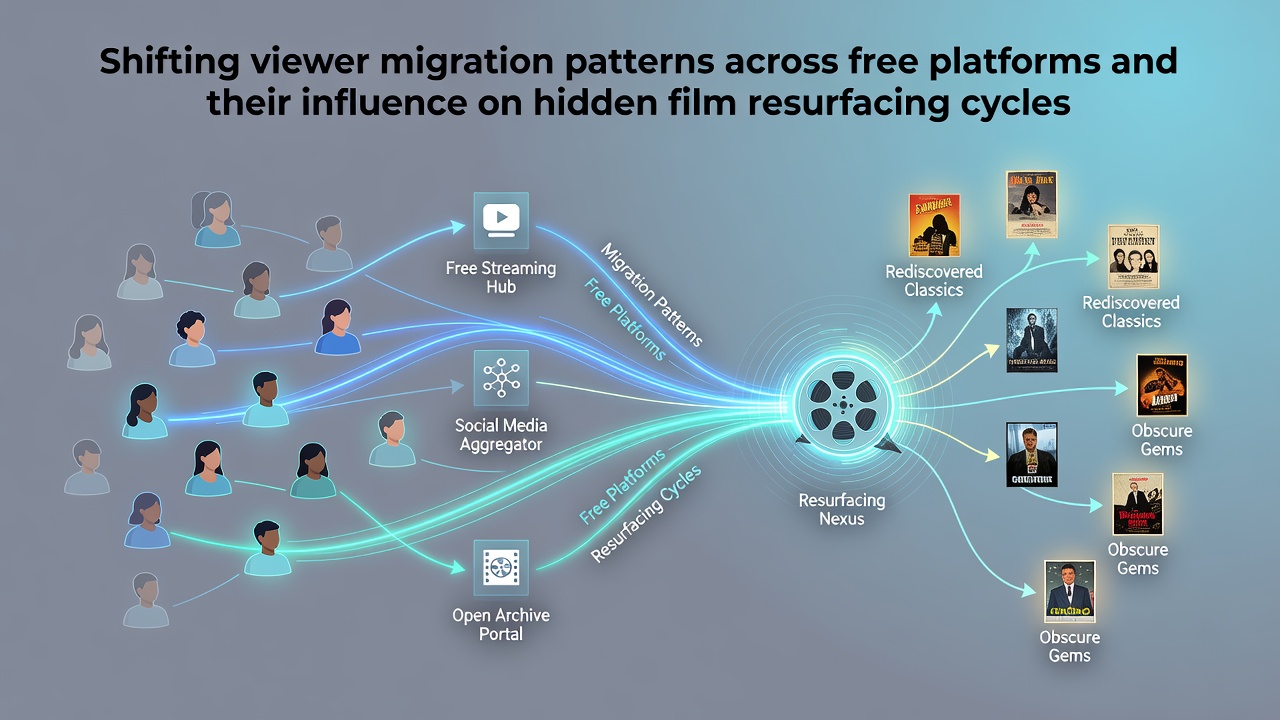
Data from multiple tracking services shows viewers continuing to shift between ad-supported platforms throughout 2025 and into June 2026, with measurable effects on which older or lesser-known films gain renewed visibility. Platforms such as those offering free access through advertisements record changes in session lengths and content selection that coincide with algorithmic adjustments favoring resurfaced titles.
Documented Migration Trends Among Free Services
Research indicates that users frequently move between services based on catalog updates, regional availability, and interface changes rather than remaining loyal to single destinations. Figures released by the Australian Communications and Media Authority highlight how quarterly shifts in active accounts correlate with spikes in searches for specific genre clusters that had previously remained dormant. These movements create feedback loops where titles gain traction through repeated exposure across different recommendation engines.
Observers note that migration often occurs in waves tied to seasonal programming refreshes, with certain demographics favoring platforms that prioritize niche categories over mainstream offerings. When large groups relocate, the receiving service experiences temporary surges in watch time for films that match emerging search patterns from the incoming audience segments.
How Platform Shifts Trigger Film Resurfacing
Hidden films reappear in suggestion lists when migration alters the underlying data that drives recommendation systems. A title dormant on one platform may receive new promotion after users who previously engaged with similar content arrive from elsewhere, prompting the algorithm to elevate matching entries. This process repeats across services as groups continue relocating, generating cycles where overlooked works cycle back into prominence without new marketing campaigns.
Evidence from platform analytics demonstrates that upload clusters from one service can influence visibility on another when users import watch histories or recreate playlists. Those who track these patterns report that resurfacing accelerates when multiple platforms simultaneously adjust category weights in response to incoming traffic data.
Case Examples of Resurfacing Linked to Migration
One documented instance involved a 1970s independent thriller that appeared on multiple free services after viewer groups shifted toward platforms emphasizing suspense categories. The film accumulated watch hours in short succession across locations once recommendation engines incorporated data from the new user cohorts. Similar patterns emerged with several international dramas that gained traction following migrations documented in June 2026 reports.
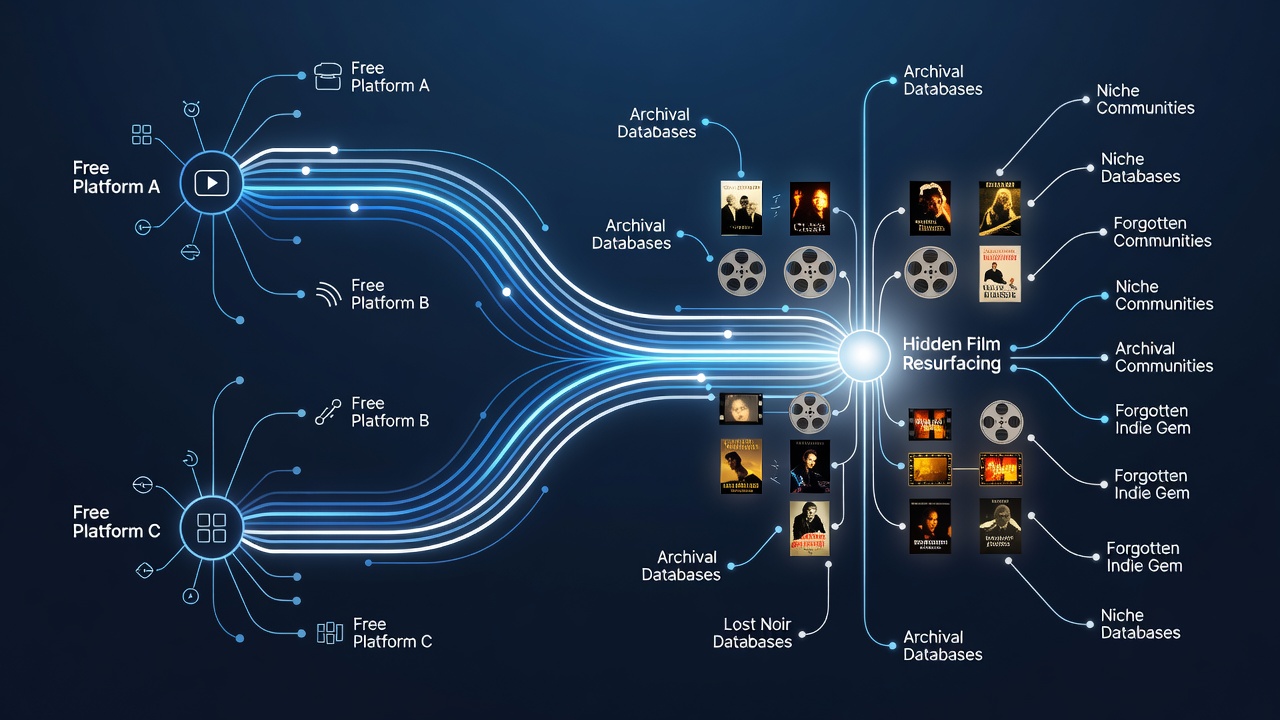
European Audiovisual Observatory analyses reveal that such cycles often align with broader regional shifts in content consumption, where cross-border account activity introduces films to audiences previously unaware of them. The resulting visibility increases tend to persist for several weeks before settling into steadier patterns or fading again until the next migration wave.
Algorithmic Responses and Category Adjustments
Services respond to incoming traffic by refining genre boundaries and thumbnail selections to retain the new users. These adjustments frequently elevate films that fit updated category definitions, even when those films had low engagement on the same platform months earlier. Data shows that category refinements based on migration statistics produce higher completion rates for resurfaced titles compared with static recommendation approaches.
Academic studies from institutions such as the University of Melbourne confirm that these algorithmic adaptations create measurable differences in discovery rates between platforms that actively recalibrate versus those maintaining fixed parameters. The differences become most apparent during periods of accelerated user movement between services.
Conclusion
Viewer migration across free platforms continues to shape which films achieve renewed visibility through repeated data-driven adjustments. Patterns observed through mid-2026 demonstrate consistent links between account shifts and resurfacing events, with algorithmic responses playing a central role in sustaining the cycles. Continued monitoring of these movements provides ongoing insight into how content gains traction without traditional promotional support.