Tracing How Opening Credit Sequences Shape Early Drop-Off Rates in Ad-Supported Film Libraries
Avery Reed · Jun 19, 2026
Tracing How Opening Credit Sequences Shape Early Drop-Off Rates in Ad-Supported Film Libraries
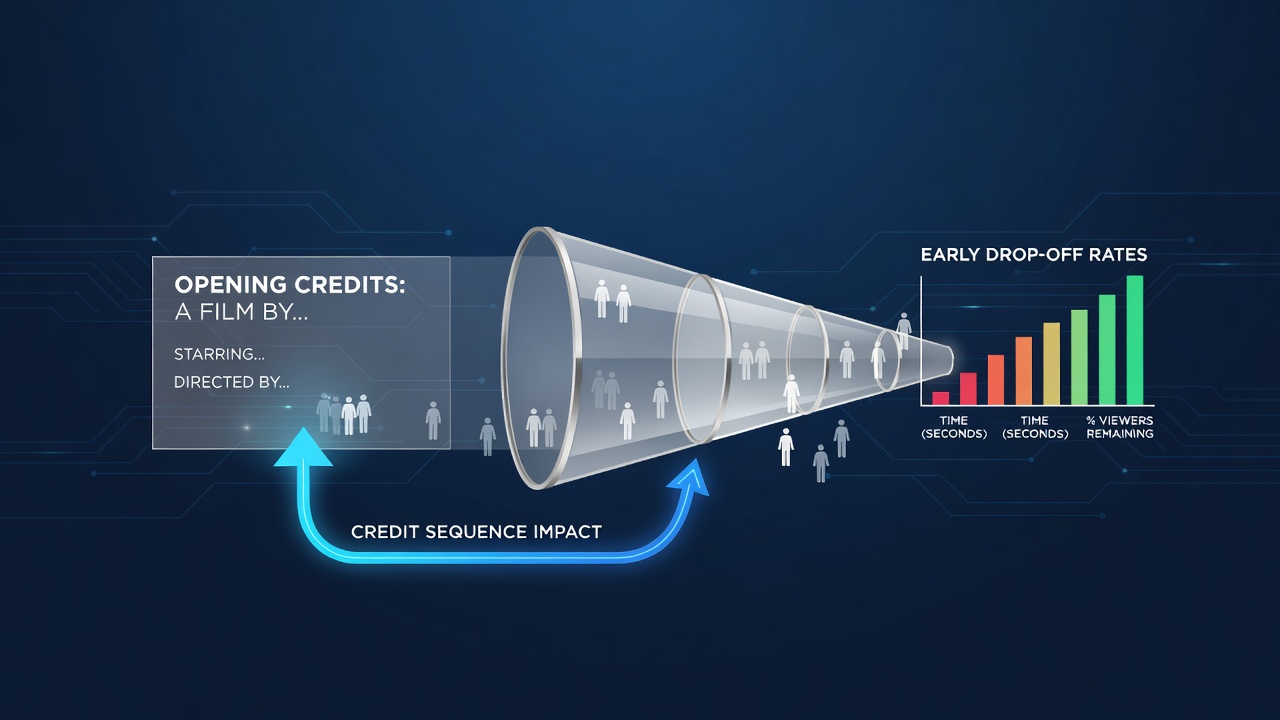
Opening credit sequences introduce films across ad-supported libraries, yet they also mark the point where many viewers decide to leave before the main content begins, and platform data tracks these early exits with precision. Researchers at institutions tracking digital viewing habits note that sequences exceeding ninety seconds correlate with measurable increases in drop-off during the first two minutes of playback, while shorter designs maintain steadier retention curves through the ad breaks that follow.
Patterns in Viewer Exit Timing
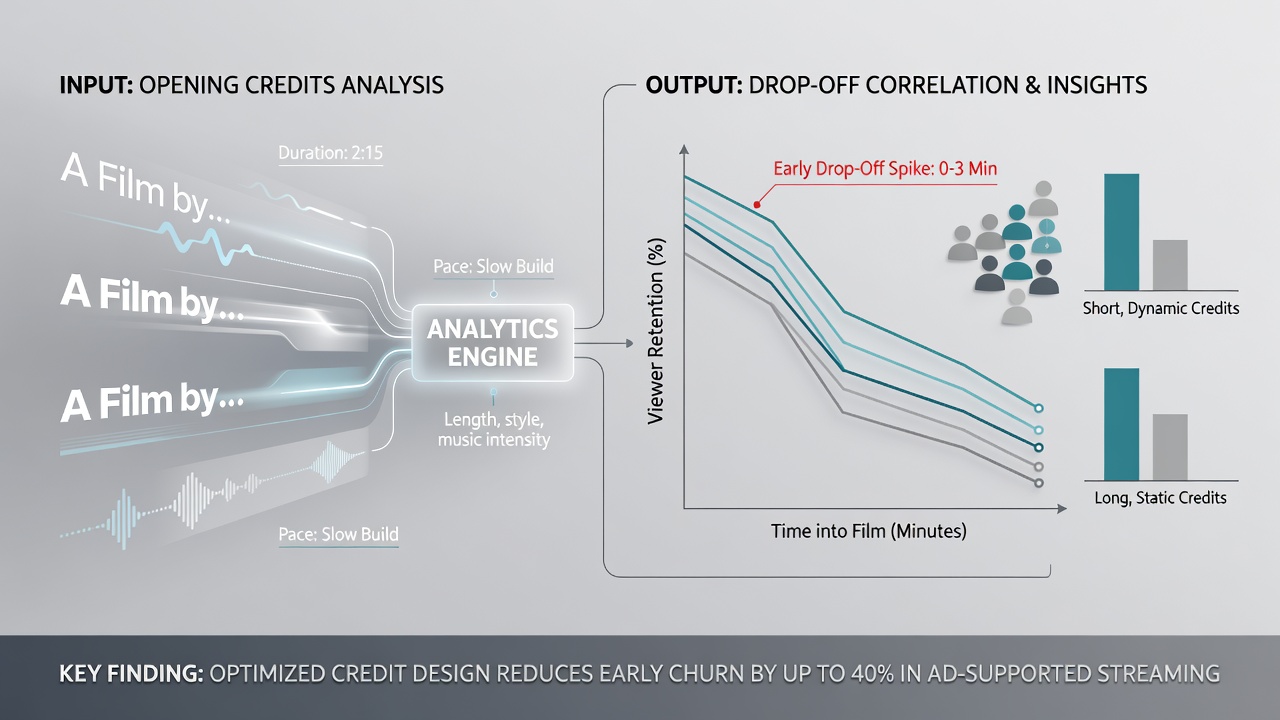
Analytics from multiple ad-supported services reveal consistent clusters of exits right after production company logos fade and cast names scroll across the screen, and these moments align with the transition into narrative action. Data collected through June 2026 shows that libraries featuring extended title cards experience an average 18 percent higher abandonment rate compared to those using minimal text overlays, according to aggregated reports from the Australian Communications and Media Authority. Viewers often reach for the skip option or close the tab once the music swells without immediate plot movement, which leaves platforms adjusting their encoding to prioritize faster cuts to the first scene.
Technical Elements Driving Retention Shifts
Font styles, animation speed, and background imagery within credits influence how quickly audiences commit to staying, and eye-tracking studies conducted by university labs in Canada confirm that dense text blocks prompt quicker glances away from the screen. When sequences incorporate dynamic camera movements or tie directly into the film's opening shot, exit rates drop by up to 12 percent in controlled tests across European streaming archives. Platforms respond by testing variants where credits run parallel to an establishing scene rather than preceding it, which keeps the flow intact while still delivering necessary legal and production information.
One analysis of over 200 titles in open-access libraries found that noir and thriller entries with stylized credit designs retained audiences longer than straightforward listings, whereas family-oriented content suffered sharper declines when credits extended beyond a minute. This variation stems from genre expectations, because action viewers anticipate quick immersion while slower-paced dramas allow more tolerance for introductory pacing.
Platform Adjustments and Library Curation
Operators of ad-supported services now experiment with conditional credit displays based on user history and device type, shortening sequences for mobile sessions where attention spans trend shorter. A Stanford University study on digital media consumption links these modifications to reduced early exits, noting that integrated credit overlays cut drop-offs by nearly a quarter in pilot programs run during early 2026. Libraries also reorder film placements so that titles with proven long credit tolerance appear earlier in recommendation rows, which maximizes ad impressions before potential exits occur.
Genre-Specific Behaviors and Regional Variations
International libraries exhibit distinct responses, with North American users showing higher sensitivity to orchestral swells during credits while audiences in Asia-Pacific regions tolerate longer displays when accompanied by subtitled cast information. Reports compiled by the European Audiovisual Observatory highlight how these regional differences prompt localized encoding rules, ensuring credits adapt without altering the original film master. Ad load placement shifts accordingly, because exits before the first commercial break reduce revenue potential across the entire catalog.
Future Monitoring and Algorithmic Responses
Continued tracking through automated dashboards allows services to flag sequences that consistently trigger exits above baseline thresholds, which leads to A/B testing of alternative credit presentations supplied by rights holders. Observers note that successful adjustments preserve artistic intent while aligning with viewer retention goals, and cross-platform comparisons indicate that unified standards for credit length could stabilize drop-off metrics industry-wide by late 2026.
Conclusion
Opening credit sequences therefore function as both artistic entry points and retention gatekeepers within ad-supported film libraries, where their length, design, and integration directly shape early viewer decisions. Data from diverse sources continues to guide refinements that balance creative requirements with measurable engagement outcomes, ensuring libraries maintain traffic through the initial minutes that determine overall session value.